Describe what you collect in ordinary language, or search by country, date, Stanley Gibbons reference, description and classification. A stamp that has been used, normally evidenced by a postal or fiscal cancellation. The Stanley Gibbons catalogue reference used to identify and catalogue stamps. The catalogue value quoted from Stanley Gibbons. It is not the same as the UPA auction estimate or a guaranteed selling price. A used stamp described as being in fine condition, usually with an acceptable cancellation and overall appearance. A stamp that has been used, normally evidenced by a postal or fiscal cancellation. The Stanley Gibbons catalogue reference used to identify and catalogue stamps. The catalogue value quoted from Stanley Gibbons. It is not the same as the UPA auction estimate or a guaranteed selling price. A used stamp described as being in fine condition, usually with an acceptable cancellation and overall appearance. A stamp that has been used, normally evidenced by a postal or fiscal cancellation. The Stanley Gibbons catalogue reference used to identify and catalogue stamps. The catalogue value quoted from Stanley Gibbons. It is not the same as the UPA auction estimate or a guaranteed selling price. A used stamp described as being in fine condition, usually with an acceptable cancellation and overall appearance. A stamp that has been used, normally evidenced by a postal or fiscal cancellation. The Stanley Gibbons catalogue reference used to identify and catalogue stamps. The catalogue value quoted from Stanley Gibbons. It is not the same as the UPA auction estimate or a guaranteed selling price. A mint stamp with original gum that has not been mounted or hinged. The Stanley Gibbons catalogue reference used to identify and catalogue stamps. The catalogue value quoted from Stanley Gibbons. It is not the same as the UPA auction estimate or a guaranteed selling price. A mint stamp that has previously been mounted or hinged, normally with some hinge trace or disturbance to the gum. The Stanley Gibbons catalogue reference used to identify and catalogue stamps. The catalogue value quoted from Stanley Gibbons. It is not the same as the UPA auction estimate or a guaranteed selling price. The rows of holes or cuts between stamps that allow them to be separated; measurements describe the spacing of those perforations. An abbreviation for watermark: a design or pattern incorporated into the stamp paper during manufacture. A stamp that has been used, normally evidenced by a postal or fiscal cancellation. The Stanley Gibbons catalogue reference used to identify and catalogue stamps. The catalogue value quoted from Stanley Gibbons. It is not the same as the UPA auction estimate or a guaranteed selling price. A mint stamp with original gum that has not been mounted or hinged. The Stanley Gibbons catalogue reference used to identify and catalogue stamps. The catalogue value quoted from Stanley Gibbons. It is not the same as the UPA auction estimate or a guaranteed selling price. The rows of holes or cuts between stamps that allow them to be separated; measurements describe the spacing of those perforations. An abbreviation for watermark: a design or pattern incorporated into the stamp paper during manufacture. The Stanley Gibbons catalogue reference used to identify and catalogue stamps. The catalogue value quoted from Stanley Gibbons. It is not the same as the UPA auction estimate or a guaranteed selling price. A stamp that has been used, normally evidenced by a postal or fiscal cancellation. A stamp cancelled by or for the postal authority without necessarily having performed normal postal service. The Stanley Gibbons catalogue reference used to identify and catalogue stamps. The catalogue value quoted from Stanley Gibbons. It is not the same as the UPA auction estimate or a guaranteed selling price. The Stanley Gibbons catalogue reference used to identify and catalogue stamps. The catalogue value quoted from Stanley Gibbons. It is not the same as the UPA auction estimate or a guaranteed selling price. An abbreviation for watermark: a design or pattern incorporated into the stamp paper during manufacture. A stamp that has been used, normally evidenced by a postal or fiscal cancellation. The Stanley Gibbons catalogue reference used to identify and catalogue stamps. The catalogue value quoted from Stanley Gibbons. It is not the same as the UPA auction estimate or a guaranteed selling price. A stamp that has been used, normally evidenced by a postal or fiscal cancellation. The Stanley Gibbons catalogue reference used to identify and catalogue stamps. The catalogue value quoted from Stanley Gibbons. It is not the same as the UPA auction estimate or a guaranteed selling price. A stamp that has been used, normally evidenced by a postal or fiscal cancellation. The Stanley Gibbons catalogue reference used to identify and catalogue stamps. The catalogue value quoted from Stanley Gibbons. It is not the same as the UPA auction estimate or a guaranteed selling price. A stamp that has been used, normally evidenced by a postal or fiscal cancellation. The Stanley Gibbons catalogue reference used to identify and catalogue stamps. The catalogue value quoted from Stanley Gibbons. It is not the same as the UPA auction estimate or a guaranteed selling price. An abbreviation for watermark: a design or pattern incorporated into the stamp paper during manufacture. A stamp that has been used, normally evidenced by a postal or fiscal cancellation. The Stanley Gibbons catalogue reference used to identify and catalogue stamps. The catalogue value quoted from Stanley Gibbons. It is not the same as the UPA auction estimate or a guaranteed selling price. An abbreviation for watermark: a design or pattern incorporated into the stamp paper during manufacture. A stamp that has been used, normally evidenced by a postal or fiscal cancellation. The Stanley Gibbons catalogue reference used to identify and catalogue stamps. The catalogue value quoted from Stanley Gibbons. It is not the same as the UPA auction estimate or a guaranteed selling price. An abbreviation for watermark: a design or pattern incorporated into the stamp paper during manufacture. A stamp that has been used, normally evidenced by a postal or fiscal cancellation. The Stanley Gibbons catalogue reference used to identify and catalogue stamps. The catalogue value quoted from Stanley Gibbons. It is not the same as the UPA auction estimate or a guaranteed selling price. The rows of holes or cuts between stamps that allow them to be separated; measurements describe the spacing of those perforations. A stamp that has been used, normally evidenced by a postal or fiscal cancellation. The Stanley Gibbons catalogue reference used to identify and catalogue stamps. The catalogue value quoted from Stanley Gibbons. It is not the same as the UPA auction estimate or a guaranteed selling price. The rows of holes or cuts between stamps that allow them to be separated; measurements describe the spacing of those perforations. An abbreviation for watermark: a design or pattern incorporated into the stamp paper during manufacture. The Stanley Gibbons catalogue reference used to identify and catalogue stamps. Two stamps that remain joined together. The Stanley Gibbons catalogue reference used to identify and catalogue stamps. The catalogue value quoted from Stanley Gibbons. It is not the same as the UPA auction estimate or a guaranteed selling price. The rows of holes or cuts between stamps that allow them to be separated; measurements describe the spacing of those perforations. A printing plate, or an identifying plate number or characteristic, associated with the production of a stamp. A joined group of stamps, normally arranged in at least two rows and two columns.
Search the UPA catalogue
 Lot 17642
 Lot 17643
 Lot 17644
 Lot 17645
 Lot 17649
 Lot 17650
 Lot 17651
 Lot 17652
 Lot 17653
 Lot 17654
 Lot 17658
 Lot 17659
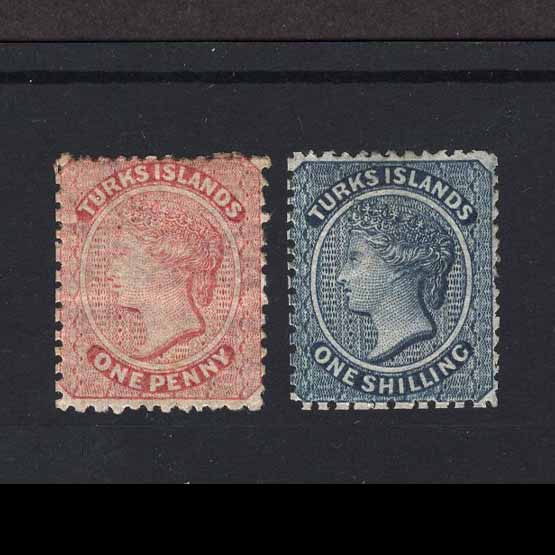 Lot 17661
 Lot 17662
Lot 17641
Rhodesia - Northern Rhodesia U
10s green and black, 20s carmine red and rose purple fine used
Philatelic terms
U — Used
SG — Stanley Gibbons
SG value — Stanley Gibbons catalogue value
General philatelic guidance — separate from the UPA catalogue description.