Describe what you collect in ordinary language, or search by country, date, Stanley Gibbons reference, description and classification. A stamp that has been used, normally evidenced by a postal or fiscal cancellation. The Stanley Gibbons catalogue reference used to identify and catalogue stamps. The catalogue value quoted from Stanley Gibbons. It is not the same as the UPA auction estimate or a guaranteed selling price. The rows of holes or cuts between stamps that allow them to be separated; measurements describe the spacing of those perforations. A stamp that has been used, normally evidenced by a postal or fiscal cancellation. The Stanley Gibbons catalogue reference used to identify and catalogue stamps. The catalogue value quoted from Stanley Gibbons. It is not the same as the UPA auction estimate or a guaranteed selling price. A stamp that has been used, normally evidenced by a postal or fiscal cancellation. The Stanley Gibbons catalogue reference used to identify and catalogue stamps. The catalogue value quoted from Stanley Gibbons. It is not the same as the UPA auction estimate or a guaranteed selling price. A stamp that has been used, normally evidenced by a postal or fiscal cancellation. The Stanley Gibbons catalogue reference used to identify and catalogue stamps. The catalogue value quoted from Stanley Gibbons. It is not the same as the UPA auction estimate or a guaranteed selling price. The rows of holes or cuts between stamps that allow them to be separated; measurements describe the spacing of those perforations. A stamp that has been used, normally evidenced by a postal or fiscal cancellation. The Stanley Gibbons catalogue reference used to identify and catalogue stamps. The catalogue value quoted from Stanley Gibbons. It is not the same as the UPA auction estimate or a guaranteed selling price. The rows of holes or cuts between stamps that allow them to be separated; measurements describe the spacing of those perforations. A stamp that has been used, normally evidenced by a postal or fiscal cancellation. The Stanley Gibbons catalogue reference used to identify and catalogue stamps. The catalogue value quoted from Stanley Gibbons. It is not the same as the UPA auction estimate or a guaranteed selling price. The rows of holes or cuts between stamps that allow them to be separated; measurements describe the spacing of those perforations. The Stanley Gibbons catalogue reference used to identify and catalogue stamps. The catalogue value quoted from Stanley Gibbons. It is not the same as the UPA auction estimate or a guaranteed selling price. An abbreviation for watermark: a design or pattern incorporated into the stamp paper during manufacture. The Stanley Gibbons catalogue reference used to identify and catalogue stamps. The catalogue value quoted from Stanley Gibbons. It is not the same as the UPA auction estimate or a guaranteed selling price. The Stanley Gibbons catalogue reference used to identify and catalogue stamps. The catalogue value quoted from Stanley Gibbons. It is not the same as the UPA auction estimate or a guaranteed selling price. The rows of holes or cuts between stamps that allow them to be separated; measurements describe the spacing of those perforations. The Stanley Gibbons catalogue reference used to identify and catalogue stamps. The catalogue value quoted from Stanley Gibbons. It is not the same as the UPA auction estimate or a guaranteed selling price. The Stanley Gibbons catalogue reference used to identify and catalogue stamps. The catalogue value quoted from Stanley Gibbons. It is not the same as the UPA auction estimate or a guaranteed selling price. The rows of holes or cuts between stamps that allow them to be separated; measurements describe the spacing of those perforations. Two stamps that remain joined together. A mint stamp with original gum that has not been mounted or hinged. The Stanley Gibbons catalogue reference used to identify and catalogue stamps. The catalogue value quoted from Stanley Gibbons. It is not the same as the UPA auction estimate or a guaranteed selling price. A printing plate, or an identifying plate number or characteristic, associated with the production of a stamp. A joined group of stamps, normally arranged in at least two rows and two columns. A mint stamp showing only light evidence of previous mounting or hinging. The Stanley Gibbons catalogue reference used to identify and catalogue stamps. The catalogue value quoted from Stanley Gibbons. It is not the same as the UPA auction estimate or a guaranteed selling price. A joined group of stamps, normally arranged in at least two rows and two columns. A mint stamp with original gum that has not been mounted or hinged. The Stanley Gibbons catalogue reference used to identify and catalogue stamps. The catalogue value quoted from Stanley Gibbons. It is not the same as the UPA auction estimate or a guaranteed selling price. A joined group of stamps, normally arranged in at least two rows and two columns. A mint stamp with original gum that has not been mounted or hinged. The Stanley Gibbons catalogue reference used to identify and catalogue stamps. The catalogue value quoted from Stanley Gibbons. It is not the same as the UPA auction estimate or a guaranteed selling price. A printing plate, or an identifying plate number or characteristic, associated with the production of a stamp. Two stamps that remain joined together. A mint stamp with original gum that has not been mounted or hinged. The Stanley Gibbons catalogue reference used to identify and catalogue stamps. The catalogue value quoted from Stanley Gibbons. It is not the same as the UPA auction estimate or a guaranteed selling price. A recognised difference from the normal stamp, such as a printing, overprint, perforation, watermark or design variation. A joined group of stamps, normally arranged in at least two rows and two columns. A mint stamp with original gum that has not been mounted or hinged. The Stanley Gibbons catalogue reference used to identify and catalogue stamps. The catalogue value quoted from Stanley Gibbons. It is not the same as the UPA auction estimate or a guaranteed selling price. A recognised difference from the normal stamp, such as a printing, overprint, perforation, watermark or design variation. A joined group of stamps, normally arranged in at least two rows and two columns. A mint stamp with original gum that has not been mounted or hinged. The Stanley Gibbons catalogue reference used to identify and catalogue stamps. The catalogue value quoted from Stanley Gibbons. It is not the same as the UPA auction estimate or a guaranteed selling price. A recognised difference from the normal stamp, such as a printing, overprint, perforation, watermark or design variation. A joined group of stamps, normally arranged in at least two rows and two columns. A mint stamp with original gum that has not been mounted or hinged. The Stanley Gibbons catalogue reference used to identify and catalogue stamps. The catalogue value quoted from Stanley Gibbons. It is not the same as the UPA auction estimate or a guaranteed selling price. The rows of holes or cuts between stamps that allow them to be separated; measurements describe the spacing of those perforations. A joined group of stamps, normally arranged in at least two rows and two columns. A mint stamp with original gum that has not been mounted or hinged. The Stanley Gibbons catalogue reference used to identify and catalogue stamps. The catalogue value quoted from Stanley Gibbons. It is not the same as the UPA auction estimate or a guaranteed selling price. A mint stamp with original gum that has not been mounted or hinged. The Stanley Gibbons catalogue reference used to identify and catalogue stamps. The catalogue value quoted from Stanley Gibbons. It is not the same as the UPA auction estimate or a guaranteed selling price. The Stanley Gibbons catalogue reference used to identify and catalogue stamps. The catalogue value quoted from Stanley Gibbons. It is not the same as the UPA auction estimate or a guaranteed selling price. The rows of holes or cuts between stamps that allow them to be separated; measurements describe the spacing of those perforations. A mint stamp with original gum that has not been mounted or hinged. The Stanley Gibbons catalogue reference used to identify and catalogue stamps. The catalogue value quoted from Stanley Gibbons. It is not the same as the UPA auction estimate or a guaranteed selling price.
Search the UPA catalogue
 Lot 10800
 Lot 10822
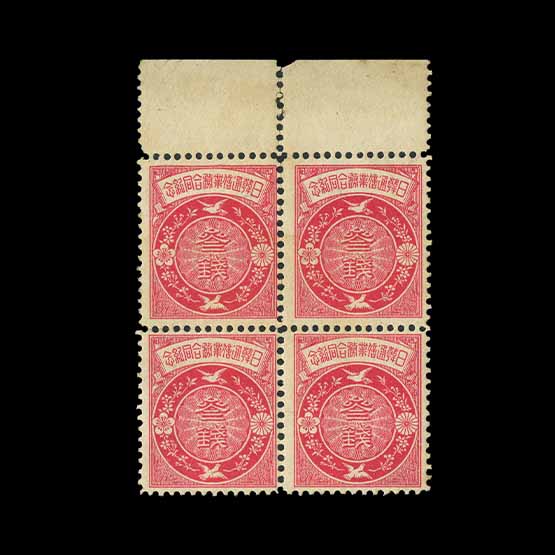 Lot 10813
 Lot 10814
 Lot 10815
 Lot 10818
 Lot 10819
Lot 10796
Grenada U
Related lotRelated to Lot 10804 · Same country / area · Similar period · Same classification
GV set to 5/- with extra perf change 1d, very fine cds used. (11).
Philatelic terms
U — Used
SG — Stanley Gibbons
SG value — Stanley Gibbons catalogue value
perf — Perforation
General philatelic guidance — separate from the UPA catalogue description.